
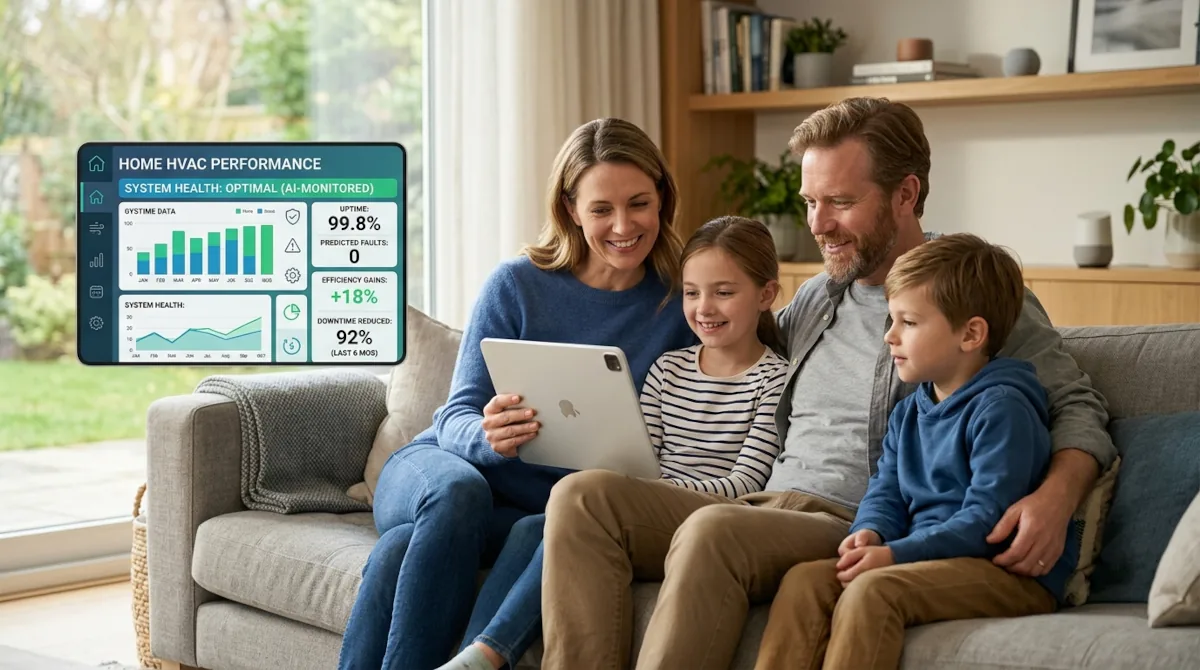
AI-Driven ‘Predictive Fault’ Monitoring is fundamentally changing how homeowners and HVAC professionals approach system maintenance, and the numbers speak clearly: AI-driven predictive maintenance typically reduces unplanned downtime by 30% to 50% in the first year of deployment. For households that rely on dependable residential heating and cooling year-round, that kind of reliability is not a luxury. It is a necessity.
Key Takeaways
| Question | Quick Answer |
|---|---|
| What is AI-Driven ‘Predictive Fault’ Monitoring? | It is a technology that uses machine learning to continuously analyze HVAC system data and flag potential component failures before they occur. |
| Is it useful for residential HVAC systems? | Yes. Predictive fault monitoring is increasingly available for home heating and cooling systems, not just industrial equipment. |
| How does it help with AC and cooling? | It detects early refrigerant loss, compressor strain, and airflow degradation in residential cooling and AC units before breakdowns occur. |
| Does it reduce repair costs? | Substantially. Catching faults early means smaller, less expensive repairs rather than full system replacements. |
| Who provides professional HVAC support in Sonoma County? | Dale HCS has served Santa Rosa and surrounding areas since 1993, offering expert residential heating services and full HVAC optimization. |
| What is the best monitoring approach for homeowners in 2026? | A combination of smart connected hardware, AI-based diagnostics software, and regular professional inspections provides the most complete coverage. |
| Can predictive fault monitoring extend equipment lifespan? | Yes. AI monitoring systems have been shown to extend the useful life of equipment by 20% to 40% by preventing the run-to-failure cycle. |
What Is AI-Driven ‘Predictive Fault’ Monitoring?
AI-Driven ‘Predictive Fault’ Monitoring refers to the use of machine learning algorithms and connected sensors to analyze the performance of mechanical systems in real time. Rather than waiting for something to break, these systems continuously track variables such as temperature differentials, pressure readings, vibration patterns, and power consumption to identify anomalies that indicate a fault is developing.
In the context of HVAC equipment, this technology can detect early signs of compressor wear, refrigerant pressure loss, heat exchanger degradation, and motor inefficiency. The system alerts homeowners or technicians before a minor issue becomes a costly emergency.
Traditional maintenance approaches are either reactive (fix it when it breaks) or scheduled (service it every six months regardless of condition). AI-driven predictive fault monitoring adds a third layer: condition-based, real-time intelligence that acts on what the system is actually experiencing.
Best Applications of AI-Driven ‘Predictive Fault’ Monitoring for Residential Heating
Residential heating systems are among the most critical components of any home, particularly during Northern California winters in areas like Santa Rosa, Petaluma, and Sebastopol. Furnaces and heat pumps work hardest when temperatures drop, and that is precisely when unexpected failures are most disruptive.
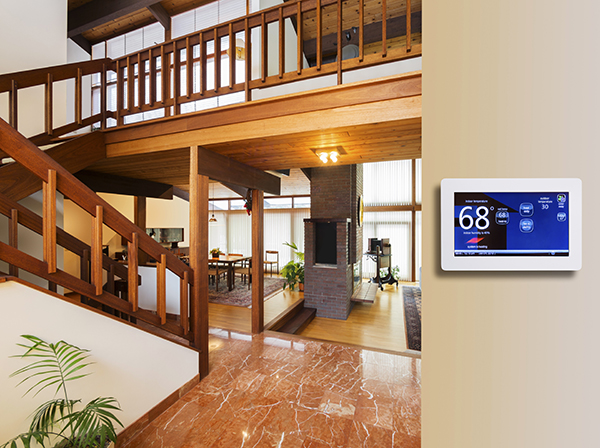
Here are the most valuable predictive fault applications for home heating systems:
-
Furnace heat exchanger cracking: AI sensors can detect changes in combustion efficiency and airflow patterns that precede heat exchanger cracks, which are both dangerous (carbon monoxide risk) and expensive to repair.
-
Heat pump defrost cycle failures: Monitoring refrigerant flow data allows AI systems to catch failing defrost cycles early, preventing compressor strain during cold weather.
-
Blower motor degradation: Gradual changes in motor current draw are nearly invisible to occupants but are clearly visible to AI monitoring, signaling bearing wear before the motor fails entirely.
-
Igniter wear: Predictive algorithms can track igniter response times over hundreds of cycles to forecast replacement needs before a cold-morning no-start event occurs.
We have been servicing furnaces and heat pumps throughout Sonoma County since 1993, and the patterns we observe through professional inspection are precisely the kinds of signals that predictive monitoring systems are now trained to detect automatically.
How AI-Driven ‘Predictive Fault’ Monitoring Strengthens Your HVAC System
The core value of AI-Driven ‘Predictive Fault’ Monitoring within a full HVAC system is not just about preventing failures. It is about building a continuous picture of system health that human inspection alone cannot provide.
Consider that an HVAC system runs thousands of cycles per year. A trained technician can assess its condition during a scheduled visit, but that inspection represents a single point in time. An AI monitoring system captures data across every single cycle, building a behavioral baseline and flagging deviations that would otherwise go unnoticed until failure.
Did You Know?
90% reduction in “alert fatigue” is achieved by organizations implementing explainable AI, as operators trust recommendations they can verify.
Source: zetamotion.com
This is why the most effective AI-Driven ‘Predictive Fault’ Monitoring systems are built on explainable AI. When an alert is generated, the system should show exactly which sensor reading triggered it and why that reading is abnormal. Technicians who understand the reasoning behind an alert respond to it. Generic warning lights get ignored.
For homeowners in Santa Rosa and throughout Sonoma County, this kind of intelligent system pairs naturally with professional HVAC service from a team that already understands local climate conditions, common equipment issues in California housing stock, and the specific demands of heating and cooling in this region.
Best Uses of AI-Driven ‘Predictive Fault’ Monitoring for Residential Cooling and AC
Residential cooling systems face a particularly demanding operating environment during California summers. An AC unit working at capacity for weeks at a time is under sustained stress, and the early warning signals of developing faults are subtle.
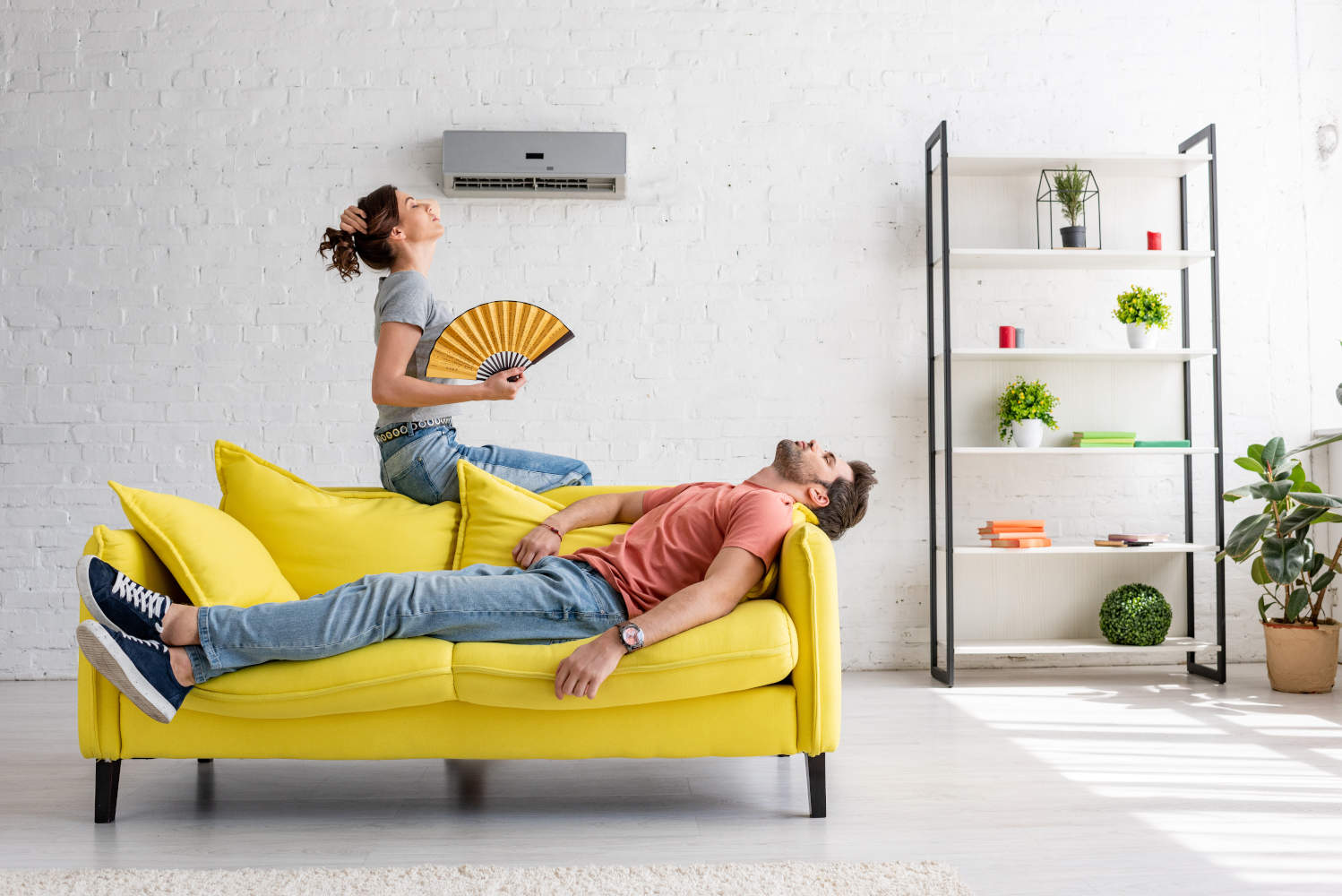
AI-Driven ‘Predictive Fault’ Monitoring addresses these challenges in several key ways for cooling equipment:
-
Refrigerant leak detection: Small refrigerant losses reduce system efficiency gradually. AI analysis of suction pressure trends and superheat values can identify developing leaks long before the system loses meaningful cooling capacity.
-
Condenser coil fouling: As outdoor coils accumulate debris, head pressure rises. Predictive systems track this pressure trend and generate alerts before efficiency loss becomes severe.
-
Capacitor degradation: Capacitor failure is among the most common AC failure modes during summer. Monitoring starting current draw over time allows AI systems to forecast capacitor end-of-life with impressive accuracy.
-
Condensate drain line monitoring: Blockages in the condensate system cause water damage and system shutdowns. Smart sensors combined with AI pattern recognition can detect drainage anomalies before flooding occurs.
Our team at Dale HCS regularly services residential cooling systems throughout Santa Rosa, Rohnert Park, Windsor, and Petaluma. The fault patterns that AI systems are now being trained to detect are the same patterns our experienced technicians have been diagnosing for over 30 years.
Three key benefits of AI-Driven ‘Predictive Fault’ Monitoring are highlighted. Predictive insights help reduce downtime and optimize maintenance workflows.
How AI-Driven ‘Predictive Fault’ Monitoring Works in Practice
Understanding the mechanics behind AI-Driven ‘Predictive Fault’ Monitoring helps homeowners appreciate what they are actually investing in. The system typically involves three layers working together.
Layer 1: Sensor Hardware
Connected sensors are installed at key points throughout the HVAC system. These measure temperature, pressure, current draw, vibration, and humidity at intervals ranging from continuous to every few seconds.
Layer 2: Data Transmission and Storage
Sensor data is transmitted to a cloud platform or local processing unit where it is aggregated and stored. The volume of data generated is far beyond what any human could monitor manually, which is precisely where AI adds its most significant value.
Layer 3: Machine Learning Analysis
The AI engine compares incoming data against the system’s own historical baseline and against broader data models trained on thousands of similar equipment failures. When a pattern match with a known fault signature is detected, an alert is generated and categorized by severity and recommended response timeline.
The result is a system that knows your specific HVAC equipment’s normal behavior and can distinguish between a routine operational variation and the early stages of a genuine fault. That distinction is what separates truly useful AI-Driven ‘Predictive Fault’ Monitoring from simple threshold alarms.
Choosing the Best AI-Driven ‘Predictive Fault’ Monitoring System for Your Home in 2026
With a growing number of smart HVAC products entering the market in 2026, homeowners in Sonoma County have more options than ever. Selecting the right system requires evaluating a few critical factors.
-
Compatibility with existing equipment: Not all monitoring hardware integrates cleanly with older furnaces, heat pumps, or AC condensers. Verify compatibility before purchasing.
-
Data transparency: The best systems provide readable dashboards that explain what each alert means in plain language, not just raw data outputs.
-
Integration with professional service: A monitoring system that connects directly to your HVAC contractor’s workflow is significantly more effective than one that sends alerts only to you.
-
Coverage scope: Ensure the system monitors both residential heating and cooling components, not just one or the other.
-
Custom ductwork compatibility: Homes with custom fabricated ductwork (such as the custom sheet metal systems we fabricate in-house at Dale HCS) may require additional sensor placement consideration to achieve complete system visibility.
Did You Know?
AI monitoring systems extend the useful life of industrial equipment by 20% to 40%, preventing the “run-to-failure” cycle that causes premature wear.
Source: NeoBram 2026
At Dale HCS, we hold California Contractor Licenses C20 (HVAC) and C43 (Sheet Metal) under license number 952649, and we have been optimizing heating and cooling systems since 1993. When a monitoring alert indicates a developing fault in your system, having a licensed and experienced team ready to respond is what transforms a data point into a protected home.
Why AI-Driven ‘Predictive Fault’ Monitoring Pairs Best with Professional HVAC Service
AI-Driven ‘Predictive Fault’ Monitoring is a powerful tool, but it works best as a complement to professional service, not a replacement for it.
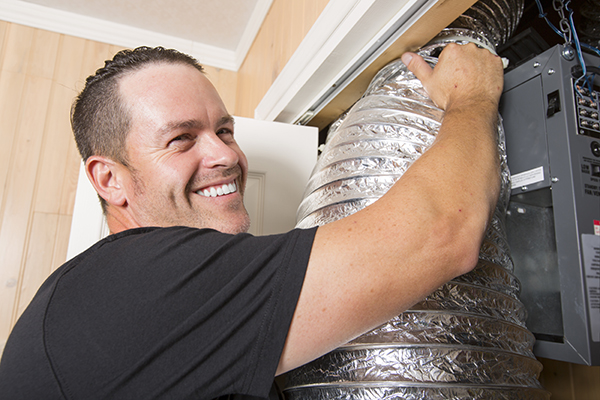
When a predictive fault alert fires, someone still needs to physically inspect the equipment, diagnose the underlying cause, and perform the repair correctly. A monitoring system that identifies developing compressor wear still requires a licensed technician with the right tools and parts to address it.
There are also aspects of HVAC system performance that sensors alone cannot fully capture. Indoor air quality, ductwork integrity, and custom fabrication issues require hands-on evaluation. Our team at Dale HCS assesses systems holistically, including the ductwork we fabricate in-house for our customers throughout Sonoma and Marin Counties.
The most resilient approach to home HVAC maintenance in 2026 combines three elements: a capable AI-Driven ‘Predictive Fault’ Monitoring system running continuously, scheduled preventative maintenance visits, and an accessible professional team ready to act when an alert demands a response.
“The goal is not to replace expertise with automation. The goal is to give homeowners and their service teams better information so they can act earlier, spend less, and stay comfortable year-round.”
If you are ready to discuss how your current heating or cooling system could benefit from smarter monitoring and professional support, we encourage you to reach out to our team directly. Ashley and Daniele are available to answer your questions and schedule a consultation.
Conclusion
AI-Driven ‘Predictive Fault’ Monitoring represents the most significant advancement in home HVAC care available to Sonoma County homeowners in 2026. By detecting developing faults in residential heating and residential cooling equipment before they become failures, these systems protect both comfort and budget in equal measure.
The data is compelling: significant reductions in unplanned breakdowns, extended equipment lifespan, and the kind of actionable, explainable alerts that actually lead to timely service. For homeowners who rely on their furnace, heat pump, or AC system to perform without fail, AI-Driven ‘Predictive Fault’ Monitoring is no longer a future technology. It is a present-day investment in reliability.
At Dale HCS, our HVAC expertise spans more than three decades of serving neighbors throughout Santa Rosa, Petaluma, Rohnert Park, Sebastopol, and Windsor. Whether your system needs a professional evaluation, a custom fabricated ductwork solution, or simply a team you can trust when a monitoring alert fires, we are here with the expertise and the licenses to back it up.
Explore our full range of services: residential cooling and AC services to keep your home comfortable through California summers, and our custom sheet metal fabrication for ductwork solutions that fit your home precisely.
Frequently Asked Questions
What exactly does AI-Driven ‘Predictive Fault’ Monitoring do for a home HVAC system?
AI-Driven ‘Predictive Fault’ Monitoring uses sensors and machine learning to continuously analyze your HVAC system’s performance data, identifying patterns that indicate a fault is developing before the equipment actually fails. This allows homeowners and technicians to schedule repairs proactively rather than responding to breakdowns.
Is AI-driven predictive fault monitoring worth it for residential heating and cooling in 2026?
For most homeowners in 2026, yes. The cost of emergency HVAC repairs, especially during peak heating or cooling seasons, typically far exceeds the cost of monitoring hardware and the minor repairs it enables you to catch early. Systems that reduce unplanned failures by 30% to 50% represent genuine savings over the life of the equipment.
Can predictive fault monitoring detect AC refrigerant leaks before they cause a breakdown?
Yes. AI-Driven ‘Predictive Fault’ Monitoring systems that track suction pressure and superheat values in real time can identify gradual refrigerant loss trends that would otherwise go unnoticed until the AC unit loses meaningful cooling capacity. Early detection means a recharge and leak repair rather than compressor damage.
How does predictive fault monitoring work with older HVAC equipment?
Many AI monitoring platforms are designed to retrofit onto existing equipment using external sensors rather than requiring integration with proprietary system controls. Compatibility varies by product, so it is advisable to have a licensed HVAC technician assess your current system before selecting a monitoring solution.
Does predictive HVAC monitoring replace regular professional maintenance visits?
No. AI-Driven ‘Predictive Fault’ Monitoring supplements professional maintenance rather than replacing it. Monitoring systems excel at continuous data analysis, but physical inspection, cleaning, refrigerant charging, and ductwork assessment still require a licensed technician on-site.
What HVAC faults does AI monitoring detect best?
AI-Driven ‘Predictive Fault’ Monitoring performs most effectively at detecting gradual degradation faults such as compressor wear, motor bearing deterioration, capacitor aging, refrigerant loss, heat exchanger stress, and coil fouling. These are all faults that develop over time and produce measurable data signatures long before complete failure.
Who should I call in Sonoma County when a predictive fault alert indicates my heating system needs attention?
Dale HCS has served Santa Rosa, Petaluma, Rohnert Park, Sebastopol, and Windsor since 1993 with licensed HVAC expertise (C20, C43 under license 952649). When an AI monitoring alert fires, our experienced team can diagnose and repair the identified fault quickly and correctly. Contact us directly through our website to schedule a response visit.