When the temperature drops here in Sonoma County, your family depends on a reliable heating system to maintain comfort and safety. Understanding how your gas furnace works empowers you to recognize potential issues early, maintain your system properly, and make informed decisions about repairs or replacements. As your neighbors and local HVAC experts, we’ve seen firsthand how a well-maintained furnace can provide decades of reliable service for Northern California families.
Gas furnaces remain the most popular heating choice for homes throughout Santa Rosa and surrounding areas, combining efficiency, affordability, and consistent warmth. Whether you’re a new homeowner curious about the equipment in your basement or you’re considering upgrading your current system, this guide breaks down the operation of gas furnaces into understandable concepts that connect directly to your family’s comfort and safety.
| Topic | Key Points |
|---|---|
| Heat Generation | Natural gas combustion creates heat that warms air circulated throughout your home |
| Energy Efficiency | Modern furnaces convert 80-98% of fuel into usable heat, reducing energy costs |
| Safety Features | Multiple sensors and automatic shutoffs protect your family from carbon monoxide and gas leaks |
| System Lifespan | Properly maintained gas furnaces typically provide 15-20 years of reliable service |
| Air Distribution | Blower motors and ductwork deliver consistent temperatures to every room in your home |
The Basic Components of Your Gas Furnace
Your gas furnace consists of several interconnected systems working together to heat your home efficiently and safely. At its core, the furnace is essentially a heat exchanger that transfers warmth from burning natural gas to the air circulating through your home. Understanding these fundamental components helps you appreciate the complexity of this essential appliance and recognize when something might not be functioning correctly.
The thermostat serves as the command center for your entire heating system, monitoring indoor temperatures and signaling when heat is needed. When temperatures drop below your desired setting, the thermostat sends an electrical signal to the furnace control board, which initiates the heating sequence. This sophisticated communication system ensures your home maintains consistent comfort without requiring constant manual adjustments, making modern furnaces far more convenient than their predecessors.
The burner assembly is where the actual combustion occurs, converting natural gas into heat energy. Gas flows through the gas valve into the burners, where the igniter creates a spark or hot surface that lights the fuel. Modern furnaces use electronic ignition systems rather than standing pilot lights, which improves both safety and efficiency. The flames produced during combustion heat the metal surfaces of the heat exchanger, which then transfers warmth to the air passing over its exterior surfaces without allowing combustion gases to mix with your home’s breathable air.
The Heating Cycle: From Cold Air to Cozy Comfort
The heating cycle begins the moment your thermostat detects that indoor temperatures have fallen below your comfort setting. This sophisticated sequence happens automatically, but understanding each stage helps you recognize normal operation versus potential problems. The entire process typically takes just a few minutes from start to finish, yet it involves precise timing and multiple safety checks to ensure reliable, safe operation.
Once the thermostat signals for heat, the furnace control board performs a pre-ignition safety check, verifying that all necessary conditions are met before allowing gas to flow. The draft inducer motor starts first, creating negative pressure in the combustion chamber and venting area. This preliminary step ensures that combustion gases will properly exhaust outside rather than entering your living space. Pressure switches confirm adequate airflow before the system proceeds to the next stage, demonstrating the multiple layers of protection built into modern heating equipment.
After safety checks are complete, the ignition sequence begins with these critical steps:
- The gas valve opens, allowing controlled amounts of natural gas to flow to the burners where it mixes with air in precisely calibrated ratios for complete combustion.
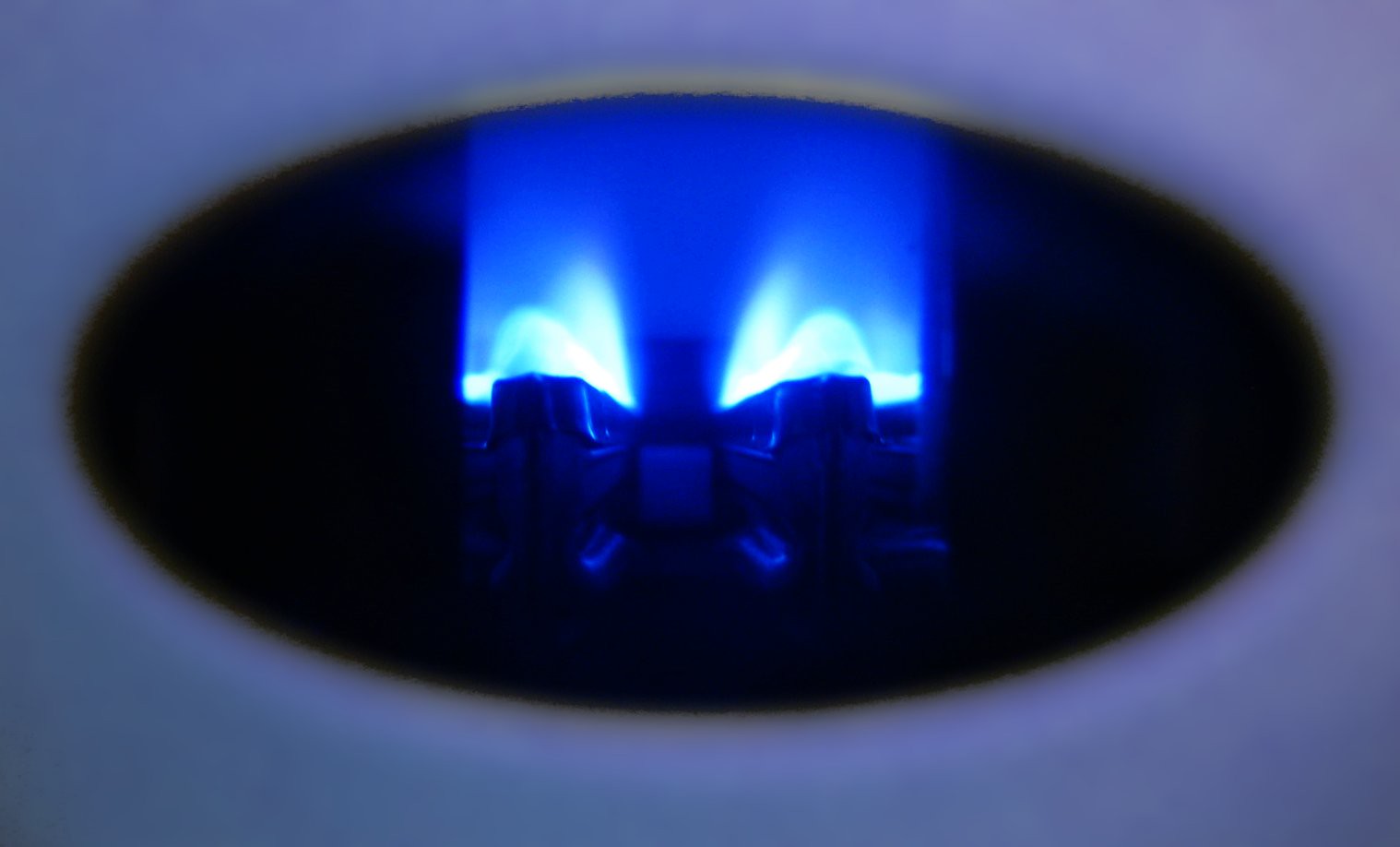
- The igniter activates, creating either a spark or a glowing hot surface that lights the gas mixture, producing steady blue flames that indicate proper, efficient burning.
- Flame sensors verify ignition occurred successfully within seconds, and if flames aren’t detected, the gas valve immediately closes as a safety precaution to prevent gas accumulation.
- The heat exchanger rapidly warms as flames heat its metal surfaces, preparing to transfer warmth to the circulating air without mixing combustion products with indoor air.
- Once the heat exchanger reaches sufficient temperature, the blower motor engages to push air across the heated surfaces and distribute warmth throughout your ductwork to every room.
Heat Distribution and Indoor Air Quality
After the heat exchanger warms sufficiently, the blower motor activates to circulate air throughout your home. This powerful fan draws cool air from your living spaces through return ducts, pushes it across the hot heat exchanger surfaces, and sends the warmed air back through supply ducts to registers in each room. The blower speed and duration are carefully controlled to optimize both comfort and efficiency, ensuring consistent temperatures without creating uncomfortable drafts or hot spots.
The connection between your furnace operation and indoor air quality deserves special attention, particularly during Northern California’s extended heating season. Your furnace moves thousands of cubic feet of air through your home every hour, and this circulation directly impacts what your family breathes. Modern gas furnaces work in conjunction with filtration systems to remove airborne particles, allergens, and contaminants as air passes through the system. Regular HVAC maintenance ensures these filtration components function properly, protecting your family’s respiratory health while maintaining system efficiency.
Several factors influence how effectively your furnace maintains both comfort and air quality:
- Filter quality and replacement frequency determine how many particles get removed from circulated air, with higher-efficiency filters capturing smaller contaminants but requiring more frequent changes to maintain proper airflow.
- Ductwork condition affects both heating efficiency and air purity, as leaks or accumulated debris can compromise system performance and introduce unwanted particles into your living spaces.
- Humidity levels naturally decrease during heating season, and excessively dry air can cause discomfort and health issues, making whole-home humidification systems valuable additions to many furnaces.
- Ventilation balance ensures adequate fresh air exchange while maintaining energy efficiency, particularly important in tightly sealed modern homes that may trap stale air and indoor pollutants.
Safety Systems and Automatic Protections
Modern gas furnaces incorporate numerous safety features designed to protect your family and property. These automatic systems continuously monitor furnace operation, ready to shut down the heating process immediately if any abnormal condition is detected. Understanding these protections provides peace of mind and helps you recognize when professional service is needed to address potential safety concerns.
The flame sensor represents one of the most critical safety components, continuously verifying that gas ignition occurred successfully and flames remain lit throughout the heating cycle. If flames extinguish unexpectedly while the gas valve remains open, the sensor detects this dangerous condition within seconds and immediately closes the gas valve to prevent unburned gas from accumulating. This rapid response prevents potentially hazardous situations and demonstrates why professional installation and regular maintenance are essential for safe furnace operation.
Carbon monoxide detection and prevention receives particular attention in furnace design, as incomplete combustion can produce this colorless, odorless, and potentially deadly gas. According to the Centers for Disease Control and Prevention, proper furnace maintenance and ventilation are essential for preventing carbon monoxide poisoning in homes with fuel-burning appliances. Heat exchangers with cracks or corrosion can allow combustion gases to mix with circulated air, creating serious health risks that emphasize the importance of annual professional inspections and prompt repairs when issues are identified.
Efficiency Ratings and Energy Performance
Gas furnace efficiency is measured by Annual Fuel Utilization Efficiency (AFUE), which indicates the percentage of fuel converted into usable heat for your home. A furnace with 95% AFUE converts 95 cents of every dollar spent on natural gas into warmth, with only 5 cents lost through exhaust. Understanding these ratings helps you evaluate your current system’s performance and make informed decisions when considering upgrades or replacements that could significantly reduce your heating costs.
Older furnaces installed before 1992 typically achieve only 60-70% AFUE, meaning substantial energy waste with every heating cycle. Mid-efficiency models manufactured through the early 2000s improved to 80-83% AFUE, representing meaningful progress but still leaving room for enhancement. Today’s high-efficiency condensing furnaces reach 90-98% AFUE by extracting additional heat from combustion gases before venting, capturing warmth that older systems simply exhausted outdoors. For local families here in Sonoma County, upgrading from a 70% AFUE furnace to a 95% AFUE model can reduce natural gas consumption by approximately 26%, creating substantial savings over the system’s lifespan.
Several design features distinguish high-efficiency furnaces from standard models, each contributing to improved performance and reduced operating costs. Variable-speed blower motors adjust airflow precisely to match heating demands rather than running at fixed speeds, reducing electricity consumption while improving comfort. Sealed combustion systems draw air for burning from outside rather than using heated indoor air, preventing warm air loss and improving safety. Two-stage or modulating gas valves allow furnaces to operate at lower capacities during milder weather, reducing temperature swings and extending equipment lifespan through gentler operation cycles.
Maintenance Requirements for Reliable Operation
Regular maintenance keeps your gas furnace operating safely, efficiently, and reliably throughout its expected lifespan. Professional annual inspections identify potential problems before they cause system failures or safety hazards, saving money and preventing uncomfortable breakdowns during cold weather. Our experience with local homes throughout Santa Rosa and Sonoma County shows that well-maintained furnaces consistently outlast neglected systems by several years, making preventive care a valuable investment in your home’s comfort infrastructure.
Professional maintenance includes comprehensive inspections and adjustments that homeowners cannot safely or effectively perform themselves. Technicians examine heat exchangers for cracks or corrosion that could allow combustion gases to enter living spaces, test safety controls to verify proper operation, clean burners to ensure complete combustion, measure gas pressure to confirm proper fuel delivery, inspect venting systems for blockages or deterioration, and calibrate thermostats for accurate temperature control. These detailed procedures require specialized tools, training, and experience to perform correctly, making professional service essential rather than optional.
Between professional visits, homeowners can perform several simple tasks that support optimal furnace performance and longevity. Replacing air filters according to manufacturer recommendations maintains proper airflow and protects internal components from dust accumulation. Keeping supply and return registers clear of furniture, curtains, and other obstructions ensures balanced air distribution throughout your home. Listening for unusual sounds like banging, squealing, or rumbling that might indicate developing problems allows early intervention before minor issues escalate into expensive repairs. Monitoring heating performance for signs like longer heating cycles, uneven temperatures, or increased energy bills helps identify efficiency losses that benefit from professional attention.
When to Consider Furnace Replacement
Even well-maintained gas furnaces eventually reach the end of their effective service life, requiring replacement rather than continued repairs. Understanding when replacement makes better financial and practical sense than another repair helps you avoid throwing money at an aging system that will continue requiring attention. Our experience shows that several factors combine to indicate when furnace replacement deserves serious consideration for your family’s comfort and budget.
Age represents the primary factor in replacement decisions, with most gas furnaces providing reliable service for 15-20 years before efficiency and reliability decline noticeably. If your furnace approaches or exceeds this age range and requires significant repairs, replacement typically offers better long-term value than investing in extensive work on aging equipment. Repair frequency and cost also guide decision-making, with industry experts suggesting that repair costs exceeding 50% of replacement value indicate that new equipment makes better financial sense, particularly for furnaces in the second half of their expected lifespan.
Efficiency considerations become increasingly important as furnaces age and newer models offer substantially better performance than equipment manufactured even a decade ago. Rising energy bills despite consistent usage patterns suggest declining efficiency that wastes money with every heating cycle. Uneven heating throughout your home might indicate blower problems, ductwork issues, or declining heat exchanger performance that compromises comfort. Excessive dust accumulation, unusual odors, or visible rust and corrosion around the furnace cabinet signal deterioration that affects both performance and safety, warranting professional evaluation to determine whether repair or replacement best serves your needs.
Heat Generation
Natural gas combustion creates heat that warms air circulated throughout your home.
Energy Efficiency
Modern furnaces convert 80-98% of fuel into usable heat, reducing energy costs.
Safety Features
Multiple sensors and automatic shutoffs protect your family from carbon monoxide and gas leaks.
System Lifespan
Properly maintained gas furnaces typically provide 15-20 years of reliable service.
Protecting Your Family’s Comfort Investment
Your gas furnace represents a significant investment in your family’s comfort, health, and safety. Understanding how this essential equipment operates empowers you to maintain it properly, recognize potential problems early, and make informed decisions about service and replacement. The sophisticated systems working together in your furnace demonstrate remarkable engineering designed to provide reliable warmth while protecting your family through multiple safety features and automatic controls.
For local families here in Sonoma County, professional heating service ensures your furnace operates at peak efficiency and safety throughout our heating season. If you have questions about your gas furnace operation, need maintenance service, or want to discuss whether your current system still meets your family’s needs, we’re here to help. Contact our team for personalized guidance from experienced professionals who understand Northern California homes and the unique challenges our climate presents. As a family-owned business, we’re committed to providing the honest, reliable service your family deserves for comfortable, worry-free heating season after season.