
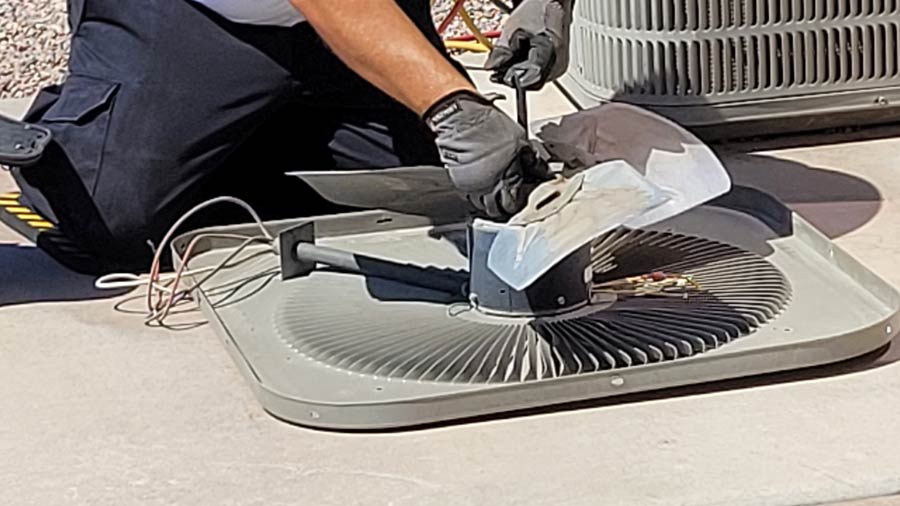
When the summer heat arrives here in Sonoma County, there’s nothing more alarming than hearing your air conditioner running but feeling no cool air flowing through your vents. Often, the culprit is a malfunctioning air conditioner fan. Understanding how to identify and address fan issues can mean the difference between a comfortable home and a sweltering one. While some problems require professional expertise, knowing what’s happening with your system empowers you to make informed decisions about repairs and helps you communicate effectively with HVAC technicians.
Your air conditioner fan plays a critical role in your home’s cooling system. The outdoor condenser fan releases heat from your home to the outside air, while the indoor blower fan circulates cooled air throughout your living spaces. When either fan fails, your entire system’s efficiency plummets, and your family’s comfort suffers. Recognizing the signs of fan trouble early can prevent minor issues from becoming costly emergencies.
| Topic | Key Points |
|---|---|
| Common Fan Problems | Worn bearings, capacitor failure, motor burnout, debris obstruction, electrical issues |
| Warning Signs | Unusual noises, weak airflow, system cycling on and off, warm air from vents, visible fan not spinning |
| Safety Considerations | Always disconnect power before inspection, never force stuck components, recognize when professional help is needed |
| Prevention Benefits | Extended system lifespan, lower energy bills, consistent comfort, fewer emergency repairs |
| Maintenance Timeline | Monthly filter changes, seasonal professional inspections, immediate attention to unusual sounds |
Understanding Your Air Conditioner Fan System
Your air conditioning system relies on two primary fans working in harmony to keep your home comfortable. The outdoor condenser fan, located in the unit outside your home, expels the heat absorbed from your indoor air. This fan works in conjunction with the compressor to release thermal energy into the outdoor environment. Meanwhile, the indoor blower fan pushes cooled air through your ductwork and into each room of your home. When either fan encounters problems, the entire cooling process becomes compromised, leading to reduced efficiency and potential system damage.
The condenser fan typically operates whenever your air conditioner runs, spinning at high speeds to facilitate heat exchange. This constant operation makes it vulnerable to wear and tear from environmental factors like dust, debris, leaves, and even small animals seeking shelter. The blower fan, protected inside your home, faces different challenges including dust accumulation, filter clogs, and mechanical stress from continuous operation during peak cooling seasons here in Northern California.
Understanding the basic mechanics helps you identify problems more quickly. Each fan connects to an electric motor powered by your home’s electrical system and controlled by capacitors that provide the initial surge needed to start rotation. Bearings within the motor allow smooth spinning, while fan blades are precisely balanced to operate efficiently. When any of these components fail, you’ll notice changes in your system’s performance. Learning to recognize these early warning signs protects your investment and maintains your family’s comfort during our warmest months.
Diagnosing Common Air Conditioner Fan Problems
Before attempting any repairs, accurate diagnosis saves time and prevents unnecessary work. Start by observing your system’s behavior when it cycles on. Does the outdoor unit hum without the fan spinning? Do you hear grinding, squealing, or clicking sounds? Is airflow from your vents noticeably weaker than normal? Each symptom points to specific potential causes that require different solutions.
Safety must be your first priority when inspecting your air conditioner. Always turn off power to the unit at both the thermostat and the circuit breaker before examining any components. Never attempt to spin a stuck fan blade by hand while power remains connected, as unexpected starting can cause serious injury. Once power is safely disconnected, you can perform a visual inspection of the outdoor condenser fan.
Common issues you might identify during inspection include:
- Debris obstruction: Leaves, grass clippings, or small branches may be blocking the fan blades or clogging the protective grille, preventing proper rotation and airflow.
- Capacitor failure: A failed capacitor cannot provide the electrical boost needed to start the fan motor, resulting in a humming sound without blade movement.
- Worn motor bearings: Grinding or squealing noises indicate bearings that have deteriorated from age or lack of lubrication, creating friction that impedes smooth operation.
- Bent or damaged blades: Physical damage to fan blades creates imbalance, causing wobbling, vibration, and inefficient air movement that stresses the entire system.
- Electrical connection issues: Loose wires, corroded terminals, or tripped safety switches can interrupt power flow to the fan motor.
Step-by-Step Solutions for Air Conditioner Fan Repairs
Once you’ve identified the problem, you can determine whether it’s a DIY fix or requires professional expertise. Simple issues like debris removal or filter changes are straightforward homeowner maintenance tasks. More complex problems involving electrical components, refrigerant lines, or motor replacement demand professional training and specialized tools for safe, effective resolution.
For debris-related problems, carefully remove any visible obstructions from around and within the condenser unit. Use a soft brush or vacuum to clean the exterior grille and surrounding area. Trim back vegetation to maintain at least two feet of clearance around all sides of the outdoor unit. This preventive measure improves airflow and reduces future debris accumulation. Inside your home, replace your air filter if it appears dirty or clogged, as restricted airflow forces the blower fan to work harder and can lead to premature failure.
Professional intervention becomes necessary for several common scenarios:
- Capacitor replacement requires electrical expertise and proper diagnostic equipment to ensure correct capacitance values, as using the wrong capacitor can damage the motor or create safety hazards.
- Motor replacement involves disconnecting refrigerant lines, removing the old motor assembly, and precisely installing the new component while maintaining system integrity and refrigerant charge.
- Bearing repair or lubrication demands disassembly of motor components, specialized lubricants designed for HVAC applications, and reassembly to manufacturer specifications.
- Electrical troubleshooting requires testing voltage, amperage, and continuity to identify failed components, corroded connections, or wiring problems that could pose fire risks if improperly addressed.
If you’re experiencing persistent fan problems or notice multiple symptoms simultaneously, the issue may extend beyond simple component failure. Electrical problems, refrigerant leaks, or compressor issues can manifest as fan problems while the root cause lies elsewhere in the system. Professional HVAC technicians possess the diagnostic tools and experience to identify these complex issues and implement comprehensive solutions. For homeowners in Sonoma County, partnering with local experts who understand our specific climate challenges ensures repairs address both immediate problems and long-term system health. You can explore more about comprehensive cooling system services to understand the full scope of professional maintenance and repair options available.
Preventing Future Fan Problems Through Regular Maintenance
Prevention always costs less than repair, and this principle especially applies to air conditioner fans. Establishing a regular maintenance routine protects your investment and keeps your family comfortable throughout our warm California summers. Most fan failures don’t happen suddenly—they develop gradually from accumulated stress, wear, and neglect. By addressing small issues proactively, you avoid the inconvenience and expense of emergency breakdowns during peak cooling season.
Monthly homeowner maintenance should include several simple but effective tasks. Check your air filter and replace it if it appears dirty or every 30-90 days depending on your home’s dust levels and whether you have pets. Walk around your outdoor condenser unit to ensure nothing has fallen against it or grown too close, obstructing airflow. Listen for unusual sounds when the system runs, noting any changes in fan noise or airflow strength from your vents. These quick checks take only minutes but provide early warning of developing problems.
Seasonal professional maintenance delivers benefits that DIY efforts cannot match. Trained technicians thoroughly clean both indoor and outdoor components, removing accumulated dust and debris from areas homeowners cannot safely access. They measure electrical values to identify failing capacitors before complete failure occurs, test motor performance to detect bearing wear, and lubricate moving parts with appropriate HVAC-grade lubricants. According to the Environmental Protection Agency, proper maintenance of air conditioning equipment can prevent up to 95% of repairs that would otherwise result from neglect, while also maintaining system efficiency at near-original levels throughout its service life (EPA). This investment in prevention protects your larger investment in the system itself while ensuring consistent comfort for your family.
Regular HVAC maintenance can prevent up to 95% of repairs while maintaining system efficiency near original levels throughout the equipment’s service life.
Common Fan Problems
Includes worn bearings, capacitor failures, motor burnout, and electrical issues.
Signs of Trouble
Unusual noises, weak airflow, and the fan not spinning indicate potential problems.
Maintenance Benefits
Regular checks can extend lifespan, reduce bills, and ensure consistent comfort.
Protecting Your Family’s Comfort and Investment
Your air conditioner fan may seem like a simple component, but its role in your home’s comfort system is absolutely critical. Understanding how these fans work, recognizing warning signs of trouble, and knowing when to attempt DIY fixes versus calling professionals empowers you to maintain your system effectively. Here in Sonoma County, where summer temperatures regularly climb into the 90s, a functioning air conditioner isn’t a luxury—it’s essential for your family’s health and wellbeing.
Whether you’re dealing with a fan that won’t spin, unusual noises, or reduced airflow, taking prompt action prevents minor issues from escalating into major repairs. Simple maintenance tasks you perform regularly, combined with professional seasonal service, keep your system running efficiently and extend its operational lifespan. Your air conditioner represents a significant investment in your home and family’s comfort, and proper fan maintenance protects that investment year after year.
If you’re experiencing fan problems or simply want to ensure your system is ready for the cooling season ahead, we’re here to help. As your neighbors and a family-owned business serving Sonoma County, we understand the unique climate challenges our community faces. Our experienced technicians provide honest assessments, quality repairs, and the personalized service that only a local, family-owned company can deliver. Contact us today for more information about how we can help keep your air conditioning system running smoothly, protecting your family’s comfort through every season.
Frequently Asked Questions
Why is my air conditioner running but not blowing cool air?
If your AC is running but the air isn’t cool, a malfunctioning fan may be the cause. The outdoor condenser fan releases heat, while the indoor blower fan circulates cooled air through your home. If either fan stops working properly, airflow and cooling efficiency drop significantly. Other related issues may include capacitor failure, debris blocking the fan, or motor problems that require inspection.
What are common signs of a failing AC fan?
Warning signs include unusual noises like grinding or squealing, weak airflow from vents, warm air coming through the system, or the outdoor fan not spinning while the unit hums. You may also notice the system cycling on and off more frequently. Addressing these symptoms early can help prevent more extensive damage to your cooling system.
Can I fix an air conditioner fan problem myself?
Homeowners can handle basic maintenance tasks such as replacing a dirty air filter or clearing debris from around the outdoor condenser unit. However, electrical issues, capacitor replacement, motor repairs, and bearing problems should be handled by a licensed HVAC technician. Always turn off power at the thermostat and breaker before inspecting any components.
What causes an AC fan to stop spinning?
Several issues can prevent the fan from spinning, including a failed capacitor, worn motor bearings, electrical connection problems, or debris obstructing the blades. In some cases, the unit may hum but not start, which often points to a capacitor issue. A professional diagnosis ensures the correct component is repaired or replaced safely.
How often should air conditioner fans be maintained?
Homeowners should check air filters monthly and replace them every 30 to 90 days, depending on dust levels and pets. It’s also wise to visually inspect the outdoor unit for debris and listen for unusual sounds. Seasonal professional maintenance helps detect worn bearings, failing capacitors, and airflow restrictions before they cause breakdowns.
Do I need professional AC repair in Sonoma County for fan issues?
If you’re experiencing persistent problems, electrical concerns, or multiple warning signs at once, professional service is recommended. In Sonoma County, summer temperatures can place heavy demand on cooling systems. A trained HVAC technician can diagnose complex issues, clean internal components, and ensure your system operates efficiently during peak heat.
How much does it cost to repair an air conditioner fan?
The cost depends on the specific problem. Simple fixes like debris removal or filter replacement are inexpensive, while motor or capacitor replacements require parts and professional labor. Because pricing varies based on the issue and equipment type, a thorough inspection is the best way to receive an accurate estimate for your situation.
What’s the difference between the condenser fan and the blower fan?
The condenser fan is located in the outdoor unit and releases heat from your home into the outside air. The blower fan is inside your home and pushes cooled air through the ductwork into each room. Both fans must operate properly for your air conditioner to cool efficiently and maintain consistent comfort.
How do I know if weak airflow is a fan problem or a filter issue?
Start by checking your air filter. A clogged filter restricts airflow and forces the blower fan to work harder. If replacing the filter doesn’t improve airflow, the issue could involve the blower motor, fan blades, or other internal components. Ongoing weak airflow should be professionally evaluated to prevent further system strain.
Can regular maintenance really prevent most AC fan repairs?
Yes. Regular maintenance significantly reduces the likelihood of unexpected breakdowns. According to the EPA, proper air conditioning maintenance can prevent up to 95% of repairs that result from neglect. Routine inspections, cleaning, and electrical testing help identify worn components early, keeping your system efficient and extending its service life.