
When the first cold snap arrives here in Sonoma County, there’s nothing more frustrating than discovering your heater won’t turn on. Often, the culprit is a pilot light that’s gone out—a common occurrence that many homeowners can address themselves with the right knowledge and precautions.
However, understanding when to handle this simple maintenance task and when to call for professional assistance can mean the difference between restoring warmth to your family’s home and creating a dangerous situation. Your family’s safety always comes first, which is why knowing the proper procedures and recognizing warning signs is essential for every homeowner.
For families throughout Santa Rosa and Sonoma County, a functioning heating system isn’t just about comfort—it’s about creating a safe, healthy environment where your loved ones can thrive during our cooler months. Whether you have an older gas furnace or a modern heating system, the pilot light serves as the ignition source that keeps your home warm. While relighting a pilot light is typically straightforward, it requires attention to safety protocols and an understanding of when professional heating services are necessary.
| Topic | Key Points |
|---|---|
| Safety First | Always check for gas odors before attempting to relight; evacuate immediately if strong smell is present |
| When to DIY | Safe to relight if no gas smell, instructions are clear, and you feel confident following procedures |
| PG&E Assistance | PG&E will check for gas leaks but typically doesn’t light pilot lights; this is a homeowner or HVAC professional task |
| Professional Help | Call Dale HCS if pilot won’t stay lit, you smell gas, or you’re uncomfortable with the process |
| Prevention | Regular maintenance prevents pilot light issues and ensures efficient, safe operation throughout winter |
Understanding Your Pilot Light and Gas Safety Protocols
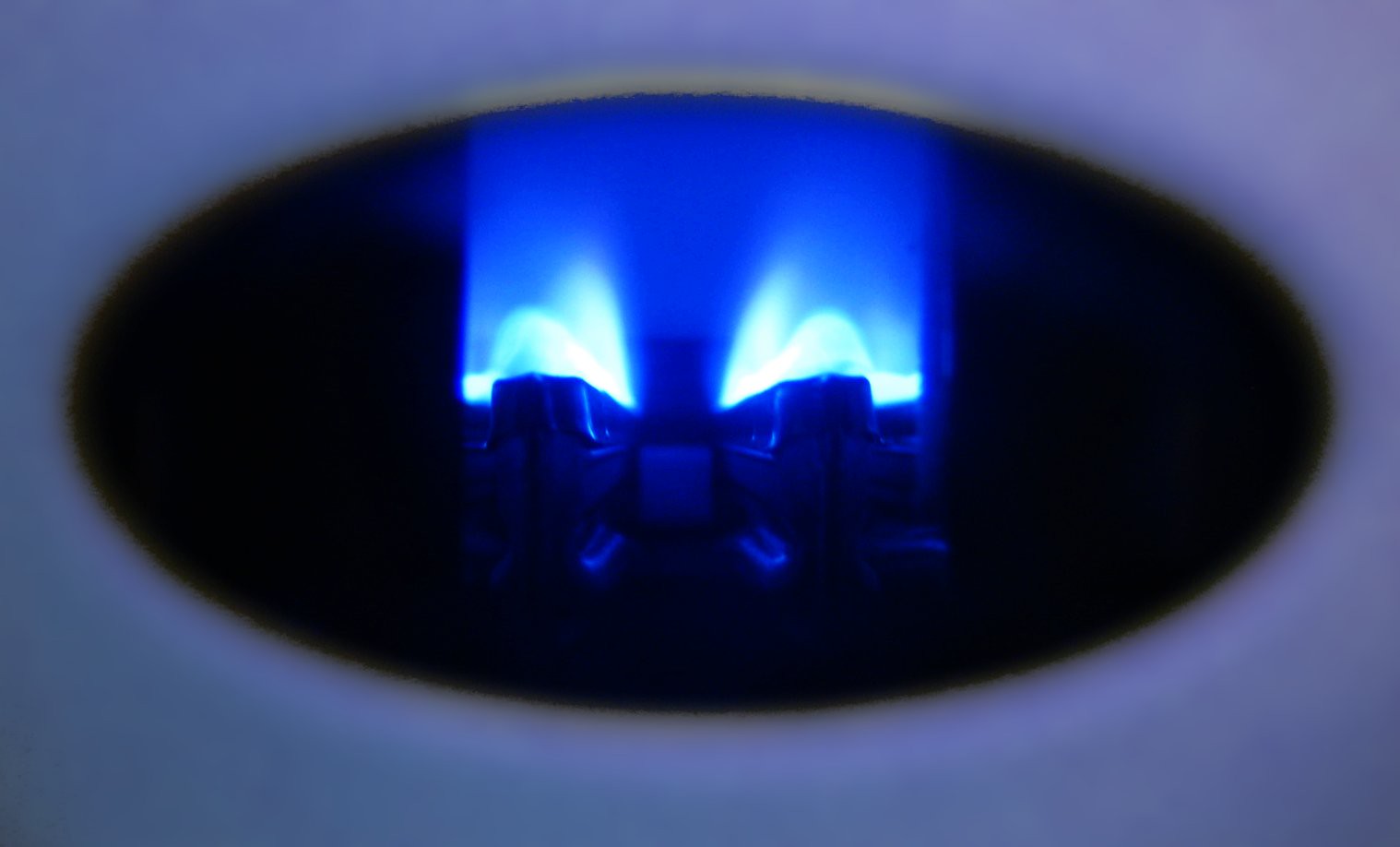
The pilot light in your heating system is a small, continuously burning flame that ignites the main burners when your thermostat signals for heat. This essential component has been a standard feature in gas furnaces for decades, though newer systems may use electronic ignition instead. When functioning properly, the pilot light burns steadily with a blue flame, waiting to spring into action whenever your family needs warmth. Understanding how this system works helps you recognize when something isn’t right and empowers you to take appropriate action.
Before attempting to relight any pilot light, gas safety must be your absolute priority. Natural gas is odorless in its pure form, but utility companies like PG&E add a distinctive sulfur or “rotten egg” smell to help detect leaks. If you smell gas anywhere in your home, this is not the time to investigate or attempt repairs yourself. According to the Pacific Gas and Electric Company safety guidelines, any strong gas odor requires immediate action: evacuate everyone from the home, avoid using electrical switches or creating any sparks, and call PG&E’s emergency line at 1-800-743-5000 from a safe location outside your home.
It’s important to understand PG&E’s role in pilot light situations here in Sonoma County. PG&E does provide pilot lighting services and is often the first call we recommend, especially if your gas service was recently shut off or you’re unsure whether it’s safe to relight the appliance. PG&E can verify proper gas flow and safely relight the pilot when appropriate. If the pilot light continues to go out, won’t stay lit, or the issue appears to be related to the appliance itself rather than gas supply, our team at Dale HCS is always available to diagnose and resolve the problem, ensuring your heating system operates safely and efficiently.
Step-by-Step Guide to Safely Relighting Your Pilot Light
When you’ve confirmed there’s no gas smell and you’re ready to relight your pilot light, having a clear process to follow makes the task much less intimidating. Most gas furnaces have instructions printed on a metal plate attached to the unit, and following these manufacturer-specific directions should always be your first approach. However, the general process remains similar across most systems, and understanding these steps helps you feel more confident approaching this common maintenance task.
Begin by locating your furnace’s gas control valve, typically found near the bottom of the unit where the gas line enters. This valve usually has three settings: “On,” “Off,” and “Pilot.” Turn this valve to the “Off” position and wait at least five minutes before proceeding. This waiting period is crucial—it allows any accumulated gas to dissipate, preventing the possibility of ignition when you create a flame. During this time, you can gather the supplies you’ll need: a long-reach lighter or fireplace matches, a flashlight for better visibility, and the manufacturer’s instructions if available.
After the five-minute waiting period, follow these steps to relight your pilot:
- Turn the gas valve to “Pilot” position: You’ll typically need to press and hold this knob down while lighting the pilot, as this allows gas to flow to the pilot assembly while keeping the main burners off.
- Locate the pilot light assembly: Use your flashlight to find the small gas tube with a tiny opening—this is where your pilot flame will burn. It’s usually visible through an access panel or window on your furnace.
- Light the pilot while holding the valve: While continuing to press and hold the gas valve in the “Pilot” position, use your long-reach lighter to ignite the gas at the pilot opening. You should see a small blue flame appear immediately.
- Continue holding for 30-60 seconds: Keep the valve depressed for at least 30 seconds after the flame appears, allowing the thermocouple (a safety device) to heat up sufficiently. This ensures the pilot will stay lit when you release the valve.
- Release and observe: Gently release the valve and watch to confirm the pilot flame remains steady. If it goes out immediately, wait another five minutes and repeat the process, holding the valve down longer this time.
- Turn valve to “On”: Once the pilot remains lit on its own, turn the gas valve to the “On” position and replace any access panels you removed. Set your thermostat to call for heat and verify that the main burners ignite properly.
If your pilot light won’t stay lit after several attempts, this indicates a deeper problem that requires professional attention. Common issues include a faulty thermocouple, a clogged pilot orifice, or problems with the gas supply. Rather than repeatedly attempting to relight a pilot that won’t stay lit, contact our experienced team for proper diagnosis and heating repair. Addressing these issues promptly prevents further damage to your HVAC system and ensures your family’s safety and comfort.
When to Call Professionals and Preventing Future Issues
While many homeowners successfully relight their pilot lights without assistance, certain situations absolutely require professional intervention. Recognizing these scenarios protects your family from potential dangers and prevents minor issues from becoming major repair expenses. Your instincts matter—if something feels wrong or unsafe at any point during this process, stop immediately and call for help. There’s no shame in prioritizing safety over attempting a DIY repair, and our experience with local homes has shown that early professional intervention often prevents more costly problems down the road.
You should contact a professional HVAC technician when you encounter any of these warning signs:
- Persistent gas odors: Even a faint smell of gas around your furnace after the pilot is lit indicates a potential leak that requires immediate professional assessment and repair.
- Pilot won’t stay lit: If the pilot lights but extinguishes shortly after releasing the valve, despite multiple attempts with adequate holding time, the thermocouple or other safety components likely need replacement.
- Yellow or orange pilot flame: A healthy pilot light burns blue; any yellow, orange, or flickering flame suggests incomplete combustion, potentially caused by dust, debris, or ventilation issues that could produce dangerous carbon monoxide.
- Soot or corrosion around the furnace: These signs indicate combustion problems that affect both efficiency and safety, requiring thorough inspection and cleaning by trained professionals.
- Unusual sounds or smells: Banging, whistling, or strange odors beyond the normal gas smell when lighting indicate mechanical problems that shouldn’t be ignored.
Prevention remains the best approach to avoiding pilot light problems and ensuring your heating system serves your family reliably throughout our Sonoma County winters. Regular professional maintenance, ideally scheduled before the heating season begins, allows technicians to clean the pilot assembly, test the thermocouple, verify proper gas pressure, and identify potential issues before they leave your family in the cold. During these maintenance visits, professionals also inspect heat exchangers for cracks, check ventilation systems, and ensure your entire heating system operates at peak efficiency—services that extend your equipment’s lifespan while reducing heating costs.
Beyond professional maintenance, simple homeowner practices make a difference in your system’s reliability. Keep the area around your furnace clear of stored items, dust, and debris that can interfere with combustion and ventilation. Change your furnace filter regularly—typically every one to three months depending on usage and household factors like pets or allergies—to maintain proper airflow through your system. This simple task not only helps your heating system function more efficiently but also contributes to better indoor air quality throughout your home. When you take these preventive steps alongside professional maintenance, you’re investing in your family’s comfort, safety, and peace of mind throughout the heating season.
Safety First
Check for gas odor before relighting; evacuate if strong smell is present.
DIY Guidelines
Safe to proceed if no gas smell and you’re confident with instructions.
Professional Help
Call experts if you’re uncomfortable, smell gas, or the pilot won’t stay lit.
Prevention
Regular maintenance keeps systems efficient and avoids pilot light issues.
Keeping Your Family Warm and Safe This Winter
Understanding how to safely relight your heater’s pilot light empowers you as a homeowner while helping you recognize when professional assistance is necessary. The key takeaways for families here in Sonoma County are straightforward: always prioritize gas safety by checking for odors before attempting any work, follow manufacturer instructions carefully when relighting your pilot, know that PG&E handles gas emergencies but not routine pilot lighting, and never hesitate to call professionals when something doesn’t seem right. Your heating system plays a vital role in your family’s comfort during our cooler months, and treating it with appropriate care and respect ensures it serves you reliably for years to come.
Whether you’re dealing with a pilot light that won’t stay lit, want to schedule preventive maintenance before winter arrives in full force, or simply have questions about your heating system’s operation, Dale HCS is here as your local HVAC partner. As a family-owned business serving Santa Rosa and throughout Sonoma County, we understand the importance of keeping your home comfortable and safe for the people who matter most. Our experienced technicians bring both technical expertise and genuine care to every service call. Contact us today for professional heating assistance or to learn more about maintaining your home’s comfort systems—we’re always happy to help our neighbors stay warm and safe.
Frequently Asked Questions
What is a pilot light and why is it important for my heater?
A pilot light is a small, continuously burning flame that ignites the main burners in many gas furnaces. When your thermostat calls for heat, the pilot lights the burners so warm air can flow through your home. If the pilot goes out, your heater won’t turn on. Newer heating systems may use electronic ignition instead of a standing pilot.
How do I know if it’s safe to relight my pilot light myself?
It’s generally safe to relight a pilot light if you do not smell gas, you can clearly see and follow the manufacturer’s instructions, and you feel comfortable doing so. Always wait several minutes after turning the gas off to let any residual gas dissipate. If anything feels unsafe or confusing, it’s best to stop and call a professional.
What should I do if I smell gas near my furnace?
If you smell a strong sulfur or “rotten egg” odor, do not attempt to relight the pilot or investigate further. Evacuate everyone from the home immediately, avoid using electrical switches, and call PG&E’s emergency line from a safe location outside. A gas odor indicates a potential leak that must be handled as an emergency.
Why won’t my pilot light stay lit after I relight it?
If the pilot lights but goes out shortly after you release the control valve, there may be an underlying issue. Common causes include a faulty thermocouple, a dirty pilot assembly, or gas supply problems. Repeated attempts usually won’t fix these issues. This is a clear sign that professional heating repair is needed.
What color should my pilot light flame be?
A healthy pilot light should burn with a steady blue flame. Yellow, orange, or flickering flames can indicate incomplete combustion, dirt in the pilot assembly, or ventilation problems. These conditions can affect both safety and performance, so any unusual flame color should be inspected by a qualified HVAC technician.
When should I call a professional instead of trying to fix it myself?
You should call a professional if you smell gas, the pilot won’t stay lit after several careful attempts, the flame color looks abnormal, or you notice soot, corrosion, or unusual noises around the furnace. If you’re uncomfortable at any point during the process, stopping and calling for help is always the safer choice.
Does PG&E relight pilot lights for homeowners?
Yes. PG&E does relight pilot lights for homeowners in many situations and is often the first call we recommend, especially after a gas shutoff or service interruption. PG&E can verify that gas service is operating safely and relight the pilot when appropriate. If the pilot light will not stay lit or the issue is related to the appliance itself rather than the gas supply, an HVAC professional can diagnose and resolve the underlying problem safely.
How can regular maintenance prevent pilot light problems?
Regular professional maintenance helps prevent pilot light issues by keeping components clean and properly adjusted. During a maintenance visit, technicians can clean the pilot assembly, test safety controls, and identify small problems before they cause a breakdown. Scheduling maintenance before winter improves reliability during Sonoma County’s cooler months.
Do older gas furnaces and newer heating systems work the same way?
Older gas furnaces commonly use a standing pilot light, while many newer systems rely on electronic ignition. Electronic ignition systems don’t have a constantly burning flame, which changes how ignition issues are diagnosed. Knowing which type of system you have helps determine whether a pilot light issue applies to your heater.
Does your heating service cover Santa Rosa and the rest of Sonoma County?
Yes, heating services described in this article are available for homeowners throughout Santa Rosa and across Sonoma County. Local technicians are familiar with the area’s homes and seasonal heating needs, which helps ensure safe and reliable service during the colder months.